
Pollution at Sea: Vessel Impacts and Regime Interaction in Ocean, Climate and Biodiversity Law (SeaPact)
SeaPact examines marine pollution from exhaust gas cleaning systems and marine litter as both raise questions about international legal regimes governing marine protection.
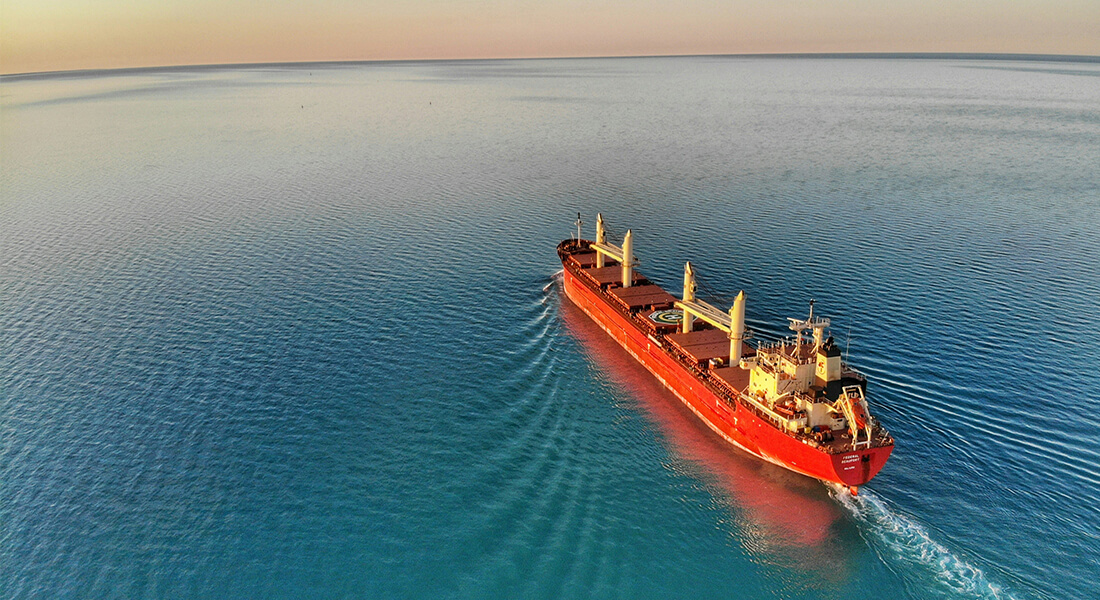
The ocean is central to the triple planetary crisis of climate change, biodiversity loss and pollution. While critical for planetary health, it faces strain from human activities, with vessel activities emerging as a major source of harm. From discharges to marine litter, these activities’ environmental impacts are diverse. The legal response to vessel-based pollution remains fragmented across regulatory frameworks. SeaPact examines marine pollution from exhaust gas cleaning systems and marine litter as both raise questions about international legal regimes governing marine protection. Regime interaction theory is used to understand these challenges. This theory helps avoid conflicts and enhance the productive space between regimes by identifying regulatory friction, clarifying legal competences and uncovering opportunities for coherence. SeaPact seeks to contribute to an integrated understanding of how international law can respond to vessel activities' environmental impacts.
Researchers
| Name | Title | |
|---|---|---|
| Martinez Romera, Beatriz | Head of Centre, Associate Professor |
|
Researchers continued
| René Taudal Poulsen, CBS |  |
Funding
The project is funded by Independent Research Fund Denmark.
The project is also funded by Copenhagen Business School (CBS).
Project period: September 2026 - September 2029
Co-PI: René Taudal Poulsen, CBS